
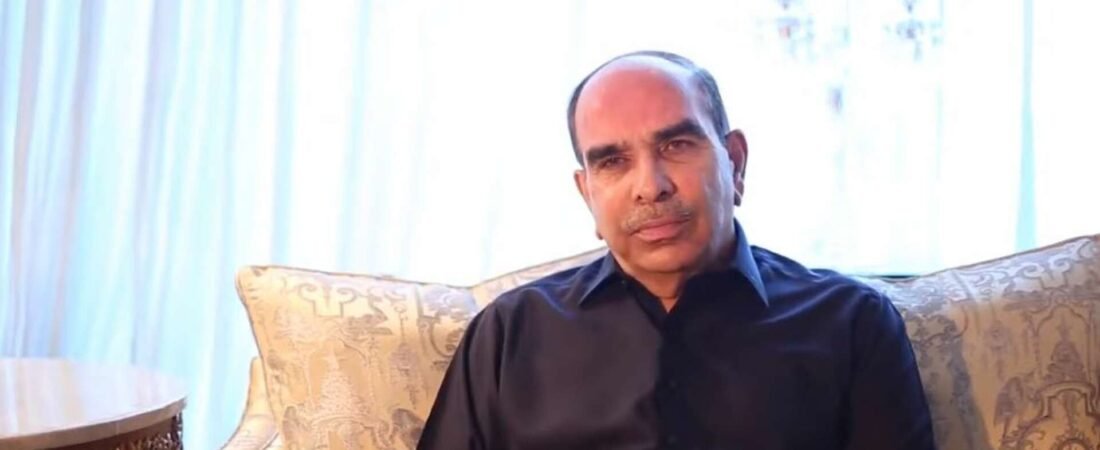
Malik Riaz Hussain stands as one of Pakistan’s most prominent businessmen in the real estate sector. He built a massive empire through smart planning and hard work. Many people search for details about his wealth because his projects have changed the way housing looks in the country. His company, Bahria Town, has created large communities that offer modern living spaces.
Estimates of his net worth vary across sources. Some older reports put it around $1.1 billion to $1.5 billion, while more recent discussions suggest figures closer to $2 billion or even higher, depending on property values and business growth. These numbers come from public lists and media coverage, but exact wealth can change with market conditions and new projects.
This article explores his background, how he started, the growth of his business, challenges he faced, and what people say about his success. It also looks at his contributions to society and the lessons his journey offers.
Early Life and Humble Beginnings
Malik Riaz Hussain was born on February 8, 1954, in Sialkot, Punjab, Pakistan. His family faced financial difficulties during his teenage years. His father worked as a contractor but suffered heavy losses, which forced young Riaz to leave school after completing his matriculation.
Instead of continuing formal education, he entered the workforce early. He took up a job as a clerk in a construction company in Rawalpindi. This entry-level role gave him basic exposure to the building industry. He learned about contracts, materials, and site management through hands-on experience.
Life was not easy in those days. Riaz had to support his family while dealing with personal challenges. Reports mention that he worked multiple jobs at times, including low-level contracting work for the military. These early struggles taught him the value of persistence and attention to detail. Many successful entrepreneurs start from similar modest positions, and his story fits this pattern.
He married Beena Riaz and has children, including a son named Ali Riaz and daughters. Family support played a role in his later stability as he focused on building his career.
How Malik Riaz Hussain Started His Career in Construction
From his first job as a clerk, Malik Riaz moved into small contracting work. He began taking on independent projects and gradually secured larger contracts, particularly with military engineering services. This connection with defense-related work gave him valuable experience in large-scale development.
In the 1990s, he founded what would become Bahria Town. The name “Bahria” draws from naval themes, reflecting early ties to disciplined, organized planning. His first projects focused on developing housing schemes that offered better infrastructure than many existing options at the time.
Key factors in his early success included:
- Understanding market demand for secure, well-planned communities.
- Focus on quality construction and modern amenities.
- Building relationships with stakeholders in the construction sector.
These steps laid the foundation for a company that grew into one of Asia’s largest privately held real estate developers.
The Rise of Bahria Town: Building Modern Communities
Bahria Town became the flagship of Malik Riaz Hussain’s business. It developed gated housing societies in major cities including Lahore, Karachi, Islamabad, and Rawalpindi. These projects feature wide roads, parks, schools, hospitals, and shopping areas within the same community.
The company claims to be among the biggest private real estate developers in Asia. Projects like Bahria Town Karachi and Bahria Town Lahore include luxury villas, apartments, and commercial spaces. They emphasize security, green spaces, and reliable utilities — features that attract middle and upper-income families.
Over the years, Bahria Town expanded its portfolio. It includes not just residential areas but also commercial developments, theme parks, and other facilities. This diversification helped the business grow even during economic ups and downs in Pakistan.
The success of these projects contributed significantly to estimates of Malik Riaz’s wealth. Real estate values in well-developed areas tend to rise over time, increasing the overall asset base.
Understanding Malik Riaz Hussain Net Worth
Public estimates of Malik Riaz Hussain net worth range from about $1 billion to over $2.5 billion, depending on the source and year. For instance:
- Some lists from earlier years placed it around $1.1 billion to $1.5 billion.
- More recent discussions, including Wikipedia references in 2025, have mentioned figures up to $2.1 billion.
- Certain media reports in 2025 suggested it could exceed $2.5 billion when accounting for ongoing projects and property appreciation.
These numbers are estimates because private companies like Bahria Town do not publicly disclose full financial details. Wealth calculations often consider land holdings, developed properties, construction pipelines, and other investments.
Several factors influence such figures:
- Value of large land banks acquired over decades.
- Revenue from sales and rentals in completed projects.
- Expansion into new cities or international opportunities.
- Economic conditions, inflation, and currency fluctuations in Pakistan.
It is important to note that net worth in real estate can fluctuate. Property markets depend on demand, government policies, interest rates, and overall economic health. Malik Riaz’s wealth is tied closely to the performance of Bahria Town and related ventures.
Business Strategies That Drove Growth
Malik Riaz focused on creating value through integrated townships rather than isolated buildings. This approach offered buyers a complete lifestyle package. Marketing highlighted safety, modern facilities, and community living.
He invested in large-scale land acquisition early on, which allowed for phased development. As cities grew, surrounding areas appreciated in value. The company also emphasized infrastructure — building its own roads, water systems, and power backups in many projects.
Partnerships and experience with large contracts helped scale operations. Bahria Town became known for delivering projects on time and maintaining high standards, which built buyer trust.
In addition to core real estate, the group has interests in related sectors like construction materials and services. This vertical integration can improve efficiency and margins.
Challenges and Controversies in the Business Journey
Like many large-scale developers, Malik Riaz and Bahria Town faced legal and regulatory issues over the years. One notable case involved a settlement with the UK’s National Crime Agency (NCA) regarding assets worth around £190 million (including cash and a property in London). In 2019, there was a civil agreement where these assets were handed over, eventually directed toward Pakistani authorities to help settle a separate fine imposed on Bahria Town by Pakistan’s Supreme Court.
There have also been disputes related to land use, naming rights (such as the “Bahria” title), and other regulatory matters. Pakistani courts have handled various cases involving the company, including allegations of irregularities in some projects.
In recent years, reports mentioned Malik Riaz living in Dubai, with some legal proceedings continuing in Pakistan. A separate case linked to the Al-Qadir Trust involved allegations of land transfers, leading to court actions and discussions about extradition.
These matters highlight the complex environment of large real estate development in any country. Developers often navigate zoning laws, environmental rules, and political changes. Public records show that some issues resulted in financial settlements or adjustments to operations.
It is worth noting that many successful business figures encounter legal scrutiny as their scale increases. Outcomes vary, and details are reported differently across sources.
Philanthropy and Social Contributions
Beyond business, Malik Riaz Hussain is known for philanthropic efforts. He has supported causes related to education, healthcare, and feeding programs. Reports mention initiatives that provide meals to large numbers of people daily.
Bahria Town projects often include public facilities like schools and hospitals, which serve both residents and surrounding communities. Some descriptions highlight his belief that social welfare should be part of development work.
Such activities contribute to his public image as not just a businessman but also someone giving back to society. Philanthropy can also play a role in long-term brand reputation for companies in the real estate sector.
Family Life and Personal Side
Malik Riaz is married to Beena Riaz. The couple has five children. Family has remained relatively private, though his son Ali Riaz has been mentioned in business contexts at times.
Personal challenges in earlier life, including health issues in the family, reportedly motivated his work ethic. He has spoken in interviews about the importance of determination and learning from difficulties.
His lifestyle includes business travel and oversight of projects, with some reports noting ownership of private aircraft for efficient management of far-flung developments.
Comparison with Other Pakistani Business Leaders
In lists of Pakistan’s richest individuals, Malik Riaz often appears among the top names, alongside figures from sectors like textiles, banking, and commodities. His wealth stands out because it comes primarily from one focused industry — real estate development.
Unlike diversified conglomerates, Bahria Town’s model centers on housing and urban planning. This specialization allowed deep expertise but also tied his fortune more closely to property market cycles.
Globally, real estate tycoons build wealth through similar large-scale projects, though scales differ by country size and economy. In Pakistan’s context, his contributions to modern housing are notable.
Note on Global Wealth Comparisons (for context): For perspective on how wealth is measured worldwide, consider high-profile international business families. For example, Jim Walton, part of the Walmart founding family, has seen his net worth reported in the range of $140-150 billion in recent estimates, largely from retail and investments. Such figures illustrate vast differences in scale across economies, but they also show how inherited or built businesses can create significant value over generations. However, the focus here remains on the Pakistani real estate sector and local achievements.
Future Outlook for Bahria Town and Wealth Growth
The real estate sector in Pakistan has potential due to population growth and urbanization. Demand for quality housing continues in major cities. If Bahria Town maintains its standards and expands carefully, it could see further appreciation in asset values.
Challenges include economic stability, regulatory clarity, and infrastructure development at the national level. Any new projects or international ventures could influence future wealth estimates.
Observers note that sustained growth would depend on adapting to market trends, such as sustainable building practices or smart city features.
Lessons from the Journey of Malik Riaz Hussain
Several takeaways emerge from his story:
- Starting small and learning through experience can lead to big results.
- Focus on quality and customer needs builds long-term success.
- Diversification within a core sector (like adding commercial elements to residential projects) helps resilience.
- Persistence through challenges is essential in business.
His path from clerk to leading a major developer inspires many young entrepreneurs in Pakistan. It shows that opportunities exist even in difficult starting conditions.
Why People Search for Malik Riaz Hussain Net Worth
Interest in his wealth comes from curiosity about successful local businessmen. In developing economies, real estate often creates visible fortunes because projects are tangible — people can see the housing societies.
Media coverage of large developers also sparks discussions about economic inequality, job creation, and urban planning. Bahria Town employs thousands directly and indirectly, contributing to the economy through construction and related services.
Accurate information helps separate facts from speculation. Net worth estimates should be viewed as approximate, based on available public data.
Final Thoughts on Success in Real Estate
Malik Riaz Hussain’s career reflects the opportunities and complexities of Pakistan’s property market. From humble beginnings to building large-scale communities, his work has influenced how many Pakistanis live today.
While exact net worth figures vary and remain estimates, the impact of his projects is measurable in developed townships across cities. Business always involves risks, legal navigation, and adaptation.
For anyone interested in entrepreneurship, his story underscores the importance of vision, hard work, and learning from setbacks. The real estate sector continues to evolve, and future developments will shape both the industry and individual fortunes within it.