
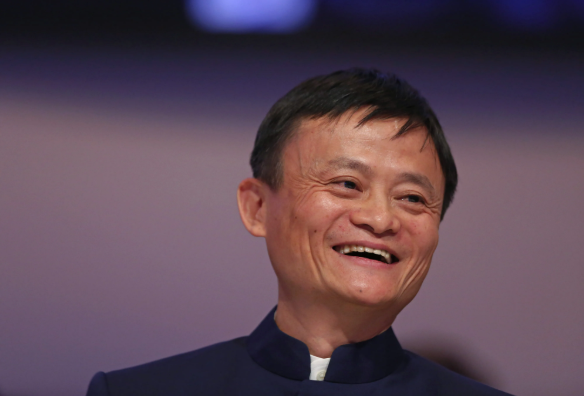
Some moments in life change everything. For Jack Ma, one choice did just that. It shifted his path from teacher to global business leader. Today, billions know his story. But how did it really begin? And what decision changed his life forever?
This article explains the key moment in a simple way. No complex business talk. Just clear, easy-to-follow steps that anyone can learn from. By the end, you will see how one move can shape a whole world.
Net Worth Year-by-Year (2013–2026)
- 2026: $27.9B – $29.1B (Current estimates)
- 2025: $27.2B – $30.7B
- 2024: $24.7B
- 2023: $23.5B
- 2022: $22.8B (Significant drop following Ant Group IPO cancellation)
- 2021: $48.4B – $51.5B
- 2020: $48.2B – $61.7B (Peak wealth before regulatory crackdown)
- 2019: $38.6B
- 2018: $34.6B
- 2017: $28.3B
- 2016: $34.0B
- 2015: $21.8B
- 2014: $19.5B (Doubled following Alibaba’s record IPO)
- 2013: $7.1B
Primary Wealth Drivers
- Alibaba Group: Ma maintains a significant stake in the e-commerce giant he co-founded in 1999.
- Ant Group: He holds a roughly 9.9% interest in the fintech leader (owner of Alipay).
- Share Sales & Dividends: Much of his liquid wealth is derived from previous sales of Alibaba stock and ongoing dividend payments.
- Investment Holdings: He controls assets through various holding companies, including APN (70% interest), JSP Investment, and JC Properties.
Who Is Jack Ma?
Jack Ma is one of the most well‑known business leaders in the world. He is best known for founding Alibaba, a massive online marketplace that connects buyers and sellers worldwide.
But his journey was not easy. Long before Alibaba became a success, it faced many setbacks. In fact, he failed many times before he found what made him great.
Jack Ma didn’t grow up in a wealthy family. He was a simple student who loved learning English. He even practiced by talking to foreign tourists on the street.
After college, he tried to find work. But he was rejected from many jobs. One famous story says he applied to work at a fast‑food restaurant and was turned down. He also failed entrance exams and faced criticism from people who said he would never succeed.
Yet, through each rejection and failure, he kept learning and trying.
Early Struggles on the Entrepreneurship Journey
Before Alibaba was born, Jack Ma tried other ideas. Some did not work. This is a part of his entrepreneurship journey that many people overlook.
A Teacher at Heart
After graduating, Jack Ma became an English teacher. He earned only a small amount of money. But teaching helped him learn how to communicate and connect with people. Those skills would be useful later.
First Exposure to the Internet
In the early 1990s, Ma was introduced to the internet while traveling in the United States. At first, he did not understand it. But he saw that it could change how business works.
He searched the web for products from China and could not find much. This sparked an idea. What if there were a website that helped businesses sell products internationally?
This idea planted the seed for Alibaba.
The Birth of Alibaba
Jack Ma returned to China with a vision. In 1999, he started Alibaba with a small group of friends. They worked in his apartment. They did not have fancy offices, big budgets, or well‑known investors.
But they had belief.
Alibaba’s mission was simple: to help small businesses sell online, especially to international customers. This was a new idea for China at the time.
Alibaba began slowly. Many people did not believe in the internet. Some thought it was just a fad. But Jack Ma and his team kept pushing forward.
The Shocking Move: Choosing Growth Over Profit
By 2000, the company was still young. Money was tight. Then came a major opportunity: an investor’s offer to buy a large stake in Alibaba.
Many people expected Jack Ma to sell. Back then, most small companies would have taken the offer. They needed cash to survive.
But Ma did something unexpected. He turned it down.
Instead of selling, he chose to focus on growth. He believed that if they kept building the business, it could be worth much more in the future.
This was the shocking move that changed everything.
Most entrepreneurs would focus on short‑term comfort or safety. Jack Ma chose risk. He chose long‑term growth. And his choice shaped not only Alibaba’s future but also the development of internet businesses in Asia.
Why This Decision Mattered
Choosing long‑term growth over quick profit is not easy. It means patience. It means believing in something others may not see yet.
For Alibaba, the choice paid off. The company kept expanding. It attracted more talent, added new services, and built trust with customers and sellers.
Eventually, Alibaba became one of the largest e-commerce companies in the world.
What We Can Learn From His Move
Jack Ma’s choice offers lessons for every person, whether you own a business or not.
Lesson 1: Think Long Term
Many of us focus on saving time or making quick money. But some goals require patience. When you think long-term, you can pursue bigger success.
Whether it’s saving for retirement, building skills, or growing a business, big goals take time.
Lesson 2: Stay True to Your Vision
Jack Ma believed in connecting businesses online even when others did not. When you have a clear vision, it helps you stay steady in the face of challenges.
People may doubt you. But if your idea has value, persistence can make a big difference.
Lesson 3: Learn from Failure
Before Alibaba, Ma failed many times. But he never gave up.
Failures teach lessons. They help shape better decisions in the future.
The Turning Point in Public View
Jack Ma’s rise caught worldwide attention. In 2005, a major investment firm, SoftBank, became a partner. This gave Alibaba new financial strength.
Years later, Alibaba held a public offering on a major stock exchange. This event was historic. It became one of the largest listings in the world’s history.
This was possible because Ma chose a path that others doubted early on.
His public speaking moments also inspired many. He talked about his failures and encouraged people to keep trying. He became a role model for young entrepreneurs across continents.
One important note: his speeches often stressed learning and resilience rather than instant success. This is why many people remember him not just for his wealth, but also for his wisdom.
Alibaba Today and Beyond
After the company’s rise, Jack Ma took on new roles. He stepped back from daily operations to focus on education and philanthropy. This shift marked a new chapter in his life.
He believed in giving back to society. He supported education, technology learning, and public welfare programs. This transition shows how business life can lead to new opportunities to help others.
To learn more about public leadership and education programs, the U.S. government offers resources at https://www.usa.gov/leadership. You can also find research on global entrepreneurship from educational institutions at https://www.ed.gov/research.
Real‑World Example: Choosing Long Term in Everyday Life
Jack Ma’s story may seem distant to many people. But his core lesson applies to real situations.
Saving Money for the Future
Imagine you want to save money to buy a home. You could spend most of your income on small pleasures today. Or you could save a bit each month. The first choice feels good now. The second choice brings long‑term benefit.
Choosing the long‑term path requires patience and commitment. But it leads to bigger rewards.
Learning New Skills
Learning a new skill like coding, language, or design takes time and struggle. Many people give up early. But those who keep working slowly improve. Over time, they become valuable in their fields.
That is the power of long‑term thinking.
Challenges Jack Ma Faced After the Decision
Not everything after the big decision was smooth. Alibaba faced competition from other companies. Technology changed fast. Markets shifted.
Jack Ma had to learn new things. His team had to adapt. The internet world is always evolving.
Rather than fear change, Ma saw it as part of growth. He encouraged his team to stay flexible.
This teaches another important idea: success does not stop with one decision. It continues with many choices that follow.
How Entrepreneurs Can Use This Story Today
Jack Ma’s story is not just history. It offers a model for today’s entrepreneurs.
Here are practical steps inspired by his journey:
-
Believe in your idea, but test it.
Don’t ignore feedback, but don’t give up too soon. -
Seek learning, not praise.
Growth comes from effort, not applause. -
Focus on real value.
Ask: “How does this help people?” Value fuels lasting success. -
Be patient with progress.
Quick results are rare. Build step by step.
These steps do not guarantee success. But they give a strong foundation.
Common Misunderstandings About Jack Ma
Even with fame, some parts of his story get misinterpreted.
Misunderstanding: He Was Always a Genius
Fact: Jack Ma worked hard. He made many mistakes. His success came from persistence, not pure talent.
Misunderstanding: Success Was Instant
Fact: Alibaba grew slowly at first. Many people doubted it early on. Growth came from persistence.
Misunderstanding: One Decision Made Everything
Fact: His big decision was important. But it was not the only factor. Many small choices and continuous effort shaped the outcome.
FAQs
What was the shocking move Jack Ma made?
Jack Ma chose to reject a major offer to sell part of his company early on. Instead, he focused on growth and building the business for the long term.
Why did he turn down the offer?
He believed the company could become much bigger in the future. He wanted to keep control to shape that growth.
Was Alibaba successful right away?
No. Alibaba grew slowly at first. Many people did not believe in the internet at the time. Success came from steady effort.
What can others learn from his path?
People can learn persistence, long‑term thinking, and the value of learning from failure.
Is Jack Ma still leading Alibaba today?
He stepped back from daily leadership to focus on other interests like education and charity.
Final Thoughts
Jack Ma’s life teaches us something simple and strong: choices matter. The decision he made to grow Alibaba instead of selling it early changed his life and the world of business.
You don’t need to be a business leader to learn from this story. Whether you work for yourself or someone else, you can think ahead, stay committed, and learn from challenges.
Success is not one big moment. It is many choices made one at a time.