
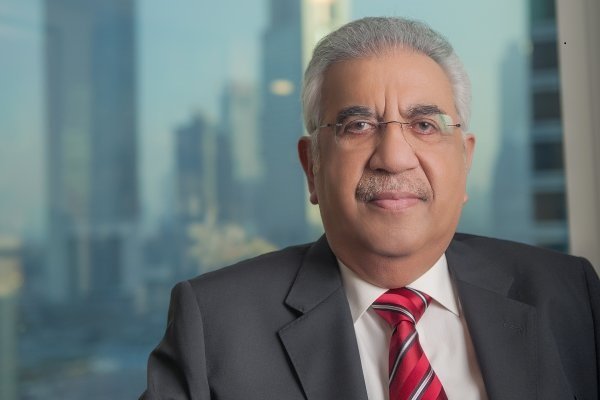
Sadruddin Hashwani is a well-known Pakistani businessman and the chairman of the Hashoo Group. Many people search for details about his wealth because he has built a large business empire over many decades. His success story offers lessons in hard work, smart decisions, and growing a company step by step.
This article looks at his life, businesses, and estimated wealth in simple words. We will also touch on how big business leaders create value, with a quick note on global examples like Jim Walton net worth to show how fortunes can grow across different industries and countries.
Who Is Sadruddin Hashwani?
Sadruddin Hashwani was born on February 19, 1940, in Karachi, Pakistan. He comes from a family with business roots that go back generations. His ancestors moved from Iran to the Balochistan region in the 1800s and later settled in Karachi, where they started trading in items like wool and cotton.
He studied at the University of Karachi. From a young age, he learned about trade by watching his family. In 1960, he and his brother started the Hassan Ali Company. This firm focused on cotton trading and became one of the biggest in Pakistan during the 1970s. People even called the family “Cotton Kings” because of their strong position in exports.
Hashwani did not stop at trading. When the business environment changed in the 1970s due to nationalization policies, he moved into new areas. He entered the hotel industry in 1973 and opened hotels like Holiday Inn in major cities. Over time, these efforts grew into the famous Pearl Continental and Marriott hotels in Pakistan.
Today, at over 86 years old, he remains active as chairman of the Hashoo Group. He has received high honors, including the Nishan-e-Imtiaz, for his contributions to business and the economy.
Early Life and Family Background
Hashwani grew up in a trading family. His great-great-grandfather was a respected figure who traveled with religious leaders from Iran. The family built a reputation for honesty and hard work in Karachi’s business circles.
His father expanded the cotton trading business. Young Sadruddin learned practical skills early. Instead of relying only on formal education, he gained real-world experience in buying, selling, and managing risks.
He has a large family, including brothers who have also been involved in business. One brother, Akbar, has managed parts of the family enterprises. Hashwani’s children, such as Murtaza and Sarah, have taken on roles in the group as well. Family support has played a key role in keeping the businesses running smoothly across generations.
How He Built the Hashoo Group
The Hashoo Group started small but grew into a diversified conglomerate. It began with trading companies in the 1960s. By the 1970s and 1980s, Hashwani shifted focus after facing challenges in the cotton sector.
He invested in hospitality by launching and managing five-star hotels. The group now operates Pearl Continental Hotels in several cities and holds franchises for Marriott properties in Islamabad and Karachi. These hotels provide jobs, boost tourism, and bring international standards to Pakistan’s service industry.
Beyond hotels, the group has interests in:
- Oil and gas exploration through companies like Zaver Petroleum
- Real estate and property development
- Pharmaceuticals
- Mining and ceramics
- Trading and other services
The Hashoo Group has assets estimated in billions of rupees. One report from 2021 put the group’s total assets at around $3.8 billion. Revenue comes mostly from within Pakistan, with hotels contributing significantly through room bookings, food services, and events.
Hashwani’s approach involved spotting opportunities during tough times. After nationalization affected some sectors, he focused on areas with long-term potential like tourism and energy. He also formed partnerships, such as with international hotel chains, to bring better management practices.
Understanding Sadruddin Hashwani Net Worth
Estimates of Sadruddin Hashwani net worth vary across sources because private companies do not always disclose full financial details. Different reports from recent years place his personal wealth between $1 billion and $4 billion.
Some older estimates from around 2010-2020 listed it near $1.1 billion to $3.4 billion. More recent mentions in lists of Pakistan’s wealthiest people suggest figures around $2 billion or sometimes higher, up to $4.1 billion in certain publications. Wikipedia and other compilations for 2025 have noted around $2 billion.
These numbers come from his stake in the Hashoo Group, which includes valuable hotel properties, energy assets, and other holdings. Hotel real estate in prime locations tends to hold strong value over time. Oil and gas exploration blocks can also add significant worth if reserves are proven.
It is important to remember that net worth for private businessmen is an estimate. Factors like market conditions, currency exchange rates (rupee vs dollar), and asset valuations affect the final figure. Unlike publicly traded companies with daily stock prices, private group valuations depend on expert assessments.
Hashwani’s wealth reflects decades of building and reinvesting. He has faced economic ups and downs, political changes, and even security challenges, such as the 2008 attack on the Islamabad Marriott Hotel. Despite these, the group continued to operate and expand.
Main Sources of His Wealth
The biggest part of his success comes from the hospitality sector. Pearl Continental and Marriott hotels attract both local and international guests. High occupancy rates and good average room rates help generate steady income. Recent financial updates for related companies show revenue growth in the billions of rupees, with improvements in margins.
Oil and gas add another layer. Through Zaver Petroleum and related firms, the group explores and produces energy resources. This sector can be capital-intensive but offers high rewards when successful. Hashwani has invested billions of rupees in this area over the years.
Real estate holdings, including commercial and residential properties, provide rental income and potential appreciation. Other businesses in pharmaceuticals and trading diversify the portfolio, reducing risk from depending on one industry.
Overall, the combination of service businesses (hotels) and resource-based activities (energy) creates a balanced approach. This mix helps the group weather economic slowdowns better than single-industry players.
Challenges He Faced in Business
No success story is without difficulties. Hashwani started during a time when Pakistan’s economy saw major shifts, including nationalization in the 1970s. Many businesses were taken over by the government, forcing entrepreneurs to adapt quickly.
Later, the hotel industry faced security issues. The tragic attack on the Marriott in Islamabad in 2008 caused huge damage and affected tourism. Rebuilding trust and operations took time and resources.
Economic factors like inflation, currency devaluation, and energy shortages in Pakistan have also impacted costs and profits. Despite these, Hashwani maintained a long-term view and kept investing.
He has spoken about these experiences in his memoir “The Truth Always Prevails.” The book shares insights into his journey, decisions, and views on business and society.
His Contributions to Society and Philanthropy
Beyond business, Hashwani has supported social causes. The group and family have been involved in education, health, and community projects. Scholarships, support for agriculture, and welfare initiatives help underprivileged people.
He believes in giving back to the country that allowed him to build his empire. His patriotic approach shows in efforts to create jobs and improve standards in hospitality, which supports tourism—a key sector for Pakistan’s economy.
Receiving the Nishan-e-Imtiaz highlights recognition from the government for these contributions.
Comparison with Global Business Leaders
Wealth creation looks different in every country. In Pakistan, business groups like Hashoo often diversify across many sectors due to market conditions. In contrast, some global fortunes come from a single big idea scaled worldwide.
For example, when people look up Jim Walton net worth, they see a very different scale. Jim Walton, one of the heirs to the Walmart empire, has a net worth estimated around $140-150 billion as of 2026. This comes mainly from his family’s ownership in Walmart, the world’s large retail chain with hundreds of billions in annual revenue.
Walmart started as small stores in America and grew through efficient operations and expansion. Jim Walton has also been involved in banking through Arvest Bank. His wealth shows how a focused retail model, combined with smart management across generations, can create enormous value.
Comparing Sadruddin Hashwani and figures like Jim Walton helps us understand context. Pakistan’s economy is smaller, with different opportunities and challenges. A billionaire in one country may not match the dollar figure of another, but the principles of innovation, risk-taking, and execution remain similar.
Both stories highlight the importance of starting small, adapting to change, and building strong teams. Walton’s family benefited from a public company structure, while Hashwani operates largely through private entities.
Lessons from His Success Story
- Adapt and Diversify: When one sector faced problems, Hashwani moved into hotels and energy. This reduced dependence on cotton trading alone.
- Long-Term Thinking: Building hotels requires heavy upfront investment, but they generate income for decades. The same applies to energy exploration.
- Quality Standards: Bringing international hotel brands and practices raised the bar in Pakistan’s hospitality industry.
- Family Involvement: Involving the next generation helps ensure continuity and fresh ideas.
- Resilience: Facing nationalization, attacks, and economic issues, he kept moving forward.
Young entrepreneurs can learn that success often comes after many years of consistent effort rather than quick wins.
Current Status and Future Outlook
As of 2026, Sadruddin Hashwani continues to lead the Hashoo Group. The hospitality sector in Pakistan shows signs of growth, with improving tourism numbers and new projects like hotels in Peshawar. Oil and gas investments may yield more results as exploration continues.
His net worth will likely fluctuate with economic conditions, asset values, and group performance. Private wealth estimates are not exact, so it is best to view them as approximate ranges rather than fixed numbers.
The group employs thousands of people directly and indirectly. Its success supports related industries like construction, food supply, and services.
Why People Search for Sadruddin Hashwani Net Worth
Interest in business leaders’ wealth often comes from curiosity about success. People want to know how someone starts from trading and builds a large group. It also inspires those who dream of starting their own ventures.
In Pakistan, lists of richest individuals appear regularly in media. These rankings spark discussion about economy, entrepreneurship, and opportunities. However, true success is not only about money but also about creating value, jobs, and positive impact.
A Note on Global Wealth Comparisons
While exploring Sadruddin Hashwani net worth, some readers also check international names. Jim Walton net worth often appears in global billionaire lists because of Walmart’s massive scale. Walmart serves millions of customers daily and operates in many countries. Its stock performance directly affects family wealth.
This difference in scale comes from market size, population, and business models. The US retail market is huge, allowing companies like Walmart to grow rapidly. In Pakistan, growth depends on local demand, exports, and policy support.
Both cases prove that disciplined management and customer focus pay off. Whether running hotels in major cities or retail stores across regions, understanding customer needs drives long-term success.
Final Thoughts
Sadruddin Hashwani’s journey from a cotton trader to chairman of a major business group is impressive. His estimated net worth reflects years of building assets in hospitality, energy, and other sectors. While exact figures vary, the real story lies in resilience, diversification, and contribution to the economy.
Business in any country involves risks and rewards. Hashwani’s example shows that patience and smart adaptation can lead to lasting success. For those interested in Jim Walton net worth, it offers a window into even larger-scale wealth creation through global retail.
Pakistan needs more entrepreneurs who invest in quality, create jobs, and support growth. Hashwani’s life reminds us that big achievements start with small, consistent steps and a willingness to learn from challenges.
Whether you are a student, young professional, or aspiring businessperson, studying such stories can provide motivation and practical ideas. Focus on solving real problems, maintaining high standards, and planning for the long term.
The business world continues to change with new technologies and global trends. Leaders like Sadruddin Hashwani have shown how to navigate these shifts while staying rooted in hard work and integrity.
Block Quote:
“Success in business is not just about making money. It is about creating something useful that lasts and helps others.” — Inspired by the journey of dedicated entrepreneurs like Sadruddin Hashwani.