
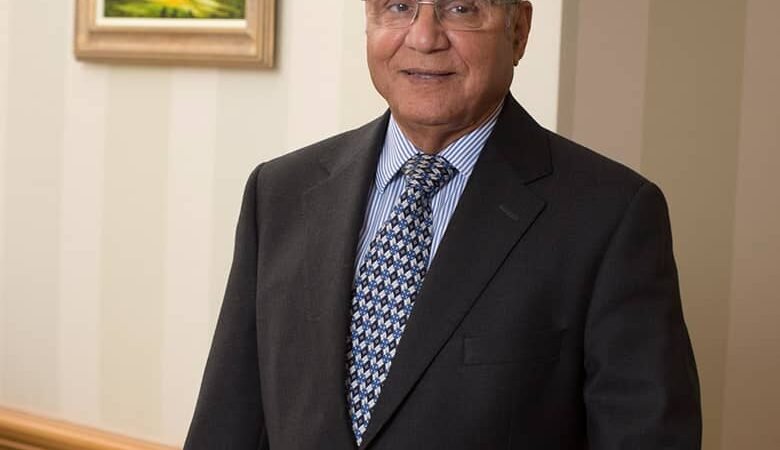
Sir Anwar Pervez stands as one of the most respected business figures of Pakistani origin in the United Kingdom. Many people search for details about his financial success because his journey shows how hard work, smart decisions, and family support can build lasting value. While exact personal wealth figures for private business leaders like him can vary across reports, estimates from reliable sources such as the Sunday Times Rich List place his family’s net worth in the range of £2.7 billion as of recent years.
This article explores his early life, business growth, main sources of wealth, family role, charitable work, and comparisons with other successful people. It provides a clear, balanced view based on publicly available information.
Who Is Sir Anwar Pervez?
Sir Mohammed Anwar Pervez was born on March 15, 1935, in Rawalpindi, in what was then British India (now Pakistan). He grew up in a simple farming family in the village of Thathi. Life was not easy, and opportunities were limited. At the age of 21, in 1956, he made the bold choice to move to the United Kingdom in search of a better future.
In the UK, he started with humble jobs. He worked as a bus conductor and driver in Bradford. These early experiences taught him the value of discipline, customer service, and understanding everyday needs. He later moved to London and opened his first small convenience store called “Kashmir” in Earl’s Court in 1963. This store served the local immigrant community and quickly grew into a small chain of about ten outlets by the early 1970s.
His story is a classic example of immigrant success. He faced challenges like limited capital and competition but focused on providing reliable products at fair prices.
Early Challenges and First Steps in Business
When Sir Anwar arrived in the UK, he had little money and no business experience. He worked long hours in different roles to support himself and later brought family members over. Together, their combined savings helped him dream bigger.
The convenience stores highlighted a problem: suppliers were often unreliable for independent retailers. This frustration led him to think differently. Instead of just selling to customers, why not supply other small shops too?
In 1976, he founded Bestway Wholesale with a single cash-and-carry depot in Acton, London. The model was simple but powerful — offer trade-only access with better prices, consistent stock, and convenience for independent retailers. This idea worked well. The business expanded steadily through the 1980s and beyond.
By focusing on the needs of small shop owners, Bestway filled a gap left by larger players. It became known for service, range, and reliability.
Building the Bestway Group: Key Milestones
Bestway Group has grown into a diversified conglomerate with operations in the UK and Pakistan. Here are some important steps:
- 1976: Founding of Bestway Wholesale.
- 1980s-1990s: Rapid growth of the wholesale business, becoming one of the UK’s leading independent wholesalers.
- 1995: Establishment of Bestway Cement Limited in Pakistan, which is now the country’s second-largest cement producer.
- 2002: Acquisition of a significant stake in United Bank Limited (UBL) in Pakistan, one of the country’s major banks.
- 2014: Purchase of The Co-operative Pharmacy business, later rebranded as Well Pharmacy, making it the UK’s largest independent pharmacy chain.
- Ongoing: Expansion in real estate, property, and other sectors.
Today, the group has annual turnover in the billions of pounds and employs tens of thousands of people across its operations. It is recognized as the UK’s largest independent wholesaler and a major investor in Pakistan.
Sir Anwar stepped back from day-to-day operations around 2004, taking the role of Chairman (later Chairman Emeritus). His nephew, Lord Zameer Choudrey, became Chief Executive, and other family members like sons Dawood Pervez and Rizwan Pervez took on important roles. This smooth transition helped the business continue growing.
Main Sources of Sir Anwar Pervez Wealth
Sir Anwar Pervez’s financial success comes from several connected businesses rather than a single source. The Bestway Group operates in different sectors, which provides stability and growth opportunities.
1. Wholesale and Retail Operations in the UK Bestway Wholesale remains a core part of the group. It supplies thousands of independent retailers with groceries, household goods, and more. This cash-and-carry model generates strong, steady revenue. The addition of Well Pharmacy has added healthcare retail to the mix, expanding the customer base.
2. Cement Manufacturing in Pakistan Bestway Cement is a major player in Pakistan’s construction sector. Cement demand grows with infrastructure and housing projects. This business has benefited from Pakistan’s economic development and has become a significant contributor to the group’s value.
3. Banking and Financial Services Through its stake in United Bank Limited (UBL), the group has exposure to Pakistan’s banking sector. UBL serves millions of customers and has a strong presence in corporate and retail banking. Sir Anwar has served as chairman of UBL at times.
4. Other Investments The group also holds interests in property, real estate, and related areas. Diversification across countries (UK and Pakistan) and industries helps manage risks from economic changes in one market.
These businesses are mostly privately held or through family-controlled entities, so precise valuations can differ. Public estimates often draw from rich lists, company filings, and industry reports. Variations in reported figures (sometimes ranging from $3 billion to higher in certain lists) reflect differences in how family assets, stakes, and market conditions are assessed.
Understanding Net Worth Estimates
Net worth for business leaders like Sir Anwar Pervez is not as straightforward as for public company founders with daily stock prices. It usually includes:
- Value of shares in group companies
- Other investments and assets
- Cash and property holdings
- Minus any debts
The Sunday Times Rich List has consistently ranked him and his family among the UK’s wealthiest. In 2020, it reported around £3.1 billion, making him the richest Pakistan-born Briton at that time. More recent editions placed the family at approximately £2.715 billion. Other sources provide estimates in the $3-4 billion range, depending on the year and valuation methods.
These figures represent family wealth rather than one individual’s personal bank account. Wealth can change with business performance, currency rates, and market conditions. For context, private company valuations often involve expert assessments of earnings, assets, and growth potential.
Note that some online lists or articles may show higher or lower numbers based on different assumptions or older data. Reliable rich lists like Sunday Times or Forbes-style compilations tend to be more conservative and fact-checked.
Family Involvement and Succession
Family plays a central role in the Bestway story. Sir Anwar is married to Sabiha Kasim (his second wife), and they have four children. Sons Dawood and Rizwan have held director positions. Nephew Lord Zameer Choudrey has been a key leader as CEO and is also a prominent figure in UK business and politics.
This multi-generational involvement has helped the group maintain its values while adapting to new challenges. Many successful family businesses emphasize trust, shared vision, and professional management.
Philanthropy and Giving Back
Success has not made Sir Anwar forget his roots. He established the Bestway Foundation in 1987 to support causes in health, education, and community development in both the UK and Pakistan. The foundation and group have donated tens of millions of dollars over the years to worthy projects.
Examples include support for hospitals, schools, disaster relief, and community programs. In Pakistan, efforts have focused on education and healthcare in underserved areas. Sir Anwar has received honors for his service, including the Officer of the Order of the British Empire (OBE) in 1992, a knighthood in 1999 for services to the food and retail industry, and Pakistan’s Hilal-e-Pakistan award.
In 2025, tributes and events marked his 90th birthday, with UK and Pakistani figures praising his contributions to business ties between the two countries and his charitable legacy.
Awards and Recognition
Over the decades, Sir Anwar has earned many honors:
- Knighthood (Sir) for business achievements
- Hilal-e-Pakistan (HPk) from the Government of Pakistan
- Various industry awards, including the Grocer Cup for Outstanding Business Achievement
These recognitions highlight not just financial success but also his role in creating jobs, supporting communities, and strengthening UK-Pakistan relations.
How His Story Compares to Other Successful Business Leaders
It is natural for people to compare different wealthy individuals. For example, some readers might look up large global fortunes like that of Jim Walton, one of the heirs to the Walmart empire. As of 2026, estimates for Jim Walton’s net worth are in the range of $145-155 billion, primarily from Walmart stock holdings and related assets.
While the scale differs due to the size and nature of the businesses (Walmart is a massive public retail giant versus Bestway’s more focused private operations), both stories share themes of building value through retail and distribution. Sir Anwar started from even humbler beginnings as an immigrant worker, showing that opportunity and determination matter regardless of starting point.
Other Pakistani-origin billionaires like Shahid Khan (in auto parts and sports) or Mian Muhammad Mansha (in banking and industry) have built impressive empires too. What stands out in Sir Anwar’s case is the long-term, diversified growth across borders and the emphasis on supporting independent retailers and communities.
Lessons from Sir Anwar Pervez’s Journey
Several practical takeaways emerge from his life:
- Start small but think big: One store led to a wholesale empire.
- Solve real problems: Bestway succeeded by helping other small businesses.
- Diversify wisely: Moving into cement, banking, and pharmacy reduced reliance on one sector.
- Involve family with care: Professional roles and clear transitions support longevity.
- Give back: Philanthropy builds goodwill and creates positive impact.
- Adapt to change: From 1950s bus driver to modern conglomerate leader.
These principles apply to many aspiring entrepreneurs, whether in retail, manufacturing, or services.
Current Status and Future Outlook
As of 2026, Sir Anwar Pervez continues to be honored as a pioneer. The Bestway Group remains strong, with thousands of employees and significant operations in two countries. Challenges like economic fluctuations, competition, and regulatory changes exist for any large business, but the group’s diversified model provides resilience.
Younger family leaders are steering day-to-day decisions while upholding the founder’s values of service, quality, and integrity.
Final Thoughts on Sir Anwar Pervez Net Worth and Legacy
Searching for “Sir Anwar Pervez net worth” often leads people to admire his rise from modest beginnings to significant business success. While public estimates put the family’s wealth in the billions of pounds (with recent Sunday Times figures around £2.7 billion), the true measure of his achievement lies in the jobs created, communities supported, and the model of ethical growth he represents.
His story reminds us that wealth is not just about numbers — it is about vision, persistence, and contribution. From driving buses in Bradford to leading a multinational group, Sir Anwar Pervez exemplifies how one person’s determination can create opportunities for many.
For the latest updates, refer to official rich lists or company reports, as business valuations can shift with market conditions. His legacy of hard work, family unity, and philanthropy will likely inspire future generations in business and beyond.