
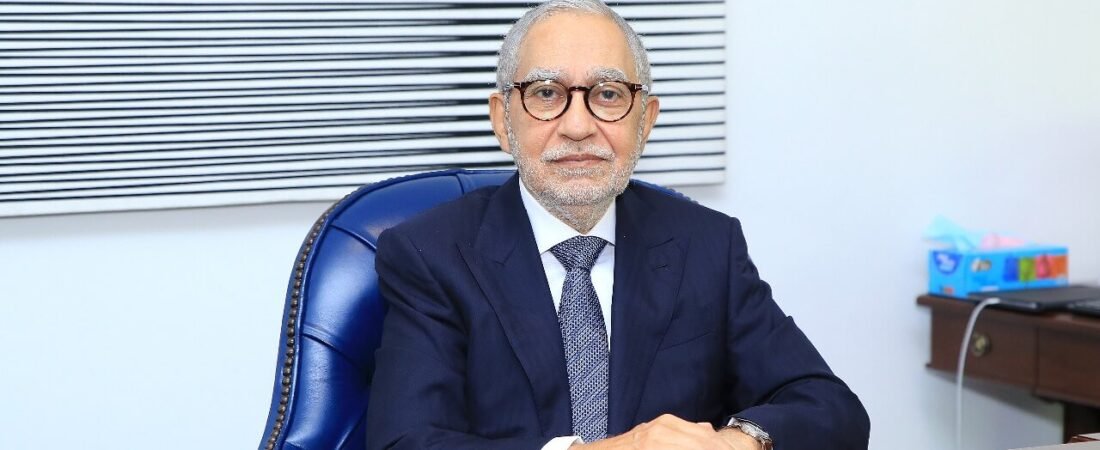
Understanding the wealth of prominent industrialists like Tariq Saigol gives insight into Pakistan’s business history and economy. Many people search for details on successful entrepreneurs who have built large groups over decades. This article explores the background, businesses, and estimated financial standing of Tariq Saigol in a clear and straightforward way.
Who Is Tariq Saigol?
Tariq Sayeed Saigol is a well-known Pakistani businessman and the chairman of the Kohinoor Maple Leaf Group (KMLG). He belongs to the Saigol family, which has played a big role in Pakistan’s industrial growth since the country’s early years.
He is recognized for his leadership in the textile and cement sectors. His career started in the late 1960s, and he has held top positions in major companies for many years. People often see him as a senior figure in Pakistan’s business community who has helped create jobs and support the economy through manufacturing and energy projects.
Tariq Saigol is the eldest among certain branches of the family and has focused on rebuilding and expanding after challenging periods in Pakistan’s economic history.
🟦 Name: Tariq Saigol
🟩 Net Worth: $850M – $900M (older estimates); possibly ~$1B (unverified)
🟨 Source of Income: Chairman of Kohinoor Maple Leaf Group (textiles, cement, energy)
🟥 Country: Pakistan
Early Life and Family Background
The Saigol family story begins long before Pakistan’s independence. The family roots trace back to business activities in the early 20th century. Amin Saigol started with a small shop that grew into Kohinoor Rubber Works. Over time, the family moved into textiles and other industries.
After 1947, the Saigols were among the pioneering industrial families that set up large textile mills in Pakistan. They established Kohinoor Textile Mills in 1948 with a relatively modest investment at the time. The family expanded into banking, chemicals, sugar, and more sectors in the following decades.
Like many old business families, the Saigols faced nationalization in the 1970s, which affected a large part of their holdings. The group was later divided among different family members. Tariq Saigol took responsibility for the Kohinoor Maple Leaf branch. This division in 1976 shaped the current structure of the businesses under his leadership.
He began his professional journey in 1968 at the Kohinoor Chemical Complex in Kala Shah Kaku. After the family split, he became Chief Executive of Kohinoor Textile Mills Limited in Rawalpindi and later served as chairman since 1984.
His education includes studies at Government College University and Punjab University Law College. He has also been connected with institutions like Aitchison College.
The Saigol Group and Its Division
The Saigol Group is one of Pakistan’s historic industrial conglomerates. It started small and grew into a major player in multiple sectors before facing setbacks due to government policies in the 1970s.
Today, different family members manage separate parts of the original group:
- Tariq Saigol leads the Kohinoor Maple Leaf Group.
- Other relatives, such as Nasim Saigol, handle different branches.
This structure allows focused management of specific companies in textiles, cement, and energy. The Kohinoor Maple Leaf Group under Tariq Saigol includes interests in yarn and fabric production, cement manufacturing, and power generation.
The family’s journey shows how businesses in Pakistan have adapted to political and economic changes while continuing to contribute to industrial output.
Main Businesses Under Tariq Saigol
Tariq Saigol’s primary role is as chairman of several key companies:
Kohinoor Textile Mills Limited: This is a core part of the group with operations in spinning and weaving. The company produces cotton yarn and fabric and has facilities in different locations, including Raiwind. It has a long history and remains active in Pakistan’s important textile export sector.
Maple Leaf Cement Factory Limited: Diversification into cement happened in the 1990s when the government encouraged private investment in infrastructure materials. The company has grown to become a notable producer of cement in the country.
Energy and Power Projects: The group has investments in power generation, including Maple Leaf Power and other energy-related entities. This helps support industrial operations and contributes to Pakistan’s energy needs.
Other associated companies and past interests have included chemicals, capital markets, and insurance-related activities. The focus has remained on manufacturing and infrastructure.
Tariq Saigol has also served in leadership roles in industry associations, such as chairman of the All Pakistan Textile Mills Association and the All Pakistan Cement Manufacturers Association. These positions allowed him to represent the sector’s concerns at a national level.
How Business Leaders Build Wealth in Pakistan
Wealth of industrial families like the Saigols comes from owning and running large manufacturing units. Key factors include:
- Long-term investment in factories and machinery
- Export earnings, especially from textiles
- Domestic market demand for construction materials like cement
- Efficient management during economic ups and downs
Pakistan’s textile sector is one of the largest employers and a major source of foreign exchange. Cement supports infrastructure and housing growth. Leaders who manage these industries over decades can accumulate significant assets through company ownership and reinvested profits.
However, challenges such as energy costs, raw material prices, currency fluctuations, and policy changes affect profitability. Successful businessmen often focus on modernization, efficiency, and diversification.
Estimated Net Worth of Tariq Saigol
Public estimates of Tariq Saigol’s net worth vary because private business groups in Pakistan do not always disclose full financial details like publicly traded multinationals. Older lists from around 2014–2020 placed his wealth in the range of $850 million to $900 million, based on ownership in textiles, cement, and related companies.
Some more recent informal references have suggested figures closer to or above $1 billion, but these are not verified by official sources and depend on asset valuations, stock performance of listed companies, and private holdings.
For context, company reports show stakes in listed entities like Kohinoor Textile Mills and Maple Leaf Cement. Market values of these shares can change with economic conditions. Personal net worth calculations for such business leaders usually include:
- Equity in public and private companies
- Land, factories, and equipment
- Other investments
It is important to note that exact figures are difficult to confirm without complete private audits. Many sources treat these numbers as approximate and based on visible business scale rather than audited personal wealth.
Challenges Faced by Pakistan’s Industrial Sector
Business families like the Saigols have operated through periods of nationalization, privatization, and economic reforms. Tariq Saigol has been vocal at times about the need for government support for the textile industry, including better energy supply and export incentives.
Common issues in the sector include:
- High energy and input costs
- Competition from other countries
- Need for technology upgrades
- Access to finance for expansion
Despite these, the Kohinoor Maple Leaf Group has continued operations and maintained a presence in key industries.
Contributions Beyond Business
Tariq Saigol has been involved in education and social initiatives. He has served on boards and governor councils of institutions such as Lahore University of Management Sciences (LUMS), Aitchison College, and others. He has also been linked with charitable or school-related governance roles, including Chand Bagh School.
Many business leaders in Pakistan support education and healthcare as part of their broader role in society. These activities help develop human resources that benefit the country’s future growth.
Factors That Affect Business Net Worth Over Time
Net worth is not a fixed number. It can change due to:
- Stock market performance of listed companies
- Profits reinvested or distributed
- New investments or expansions
- Economic conditions, inflation, and currency value
- Government policies on taxes and regulations
For someone like Tariq Saigol, the value of cement and textile assets depends on construction activity and global demand for fabrics. Energy projects add another layer of stability or growth depending on power sector reforms.
Business leaders often focus on long-term sustainability rather than short-term wealth headlines.
The Role of Family Businesses in Pakistan’s Economy
Family-owned groups have been central to Pakistan’s industrialization. They started many of the early large-scale factories after independence and have continued to evolve. The Saigol family is an example of this continuity across generations.
Advantages of family businesses include:
- Strong commitment and vision passed down
- Flexibility in decision-making
- Focus on legacy and community impact
Challenges can include succession planning and adapting to modern corporate governance. Many groups, including those linked to Tariq Saigol, have brought in professional management while keeping family oversight.
Future Outlook for Industrial Leaders
Pakistan continues to need investment in manufacturing, energy, and infrastructure. Leaders with decades of experience can guide expansion if the business environment supports growth through consistent policies, skilled workforce development, and access to markets.
Sustainability, digitalization, and export competitiveness are likely to shape the next phase for textile and cement companies.
Key Takeaways on Tariq Saigol’s Journey
Tariq Saigol represents a generation of Pakistani industrialists who rebuilt after major disruptions and focused on core manufacturing strengths. His leadership of the Kohinoor Maple Leaf Group spans textiles, cement, and energy—sectors that remain vital for the country.
While exact net worth figures are estimates and vary across sources (often cited around $850 million to over $1 billion in older reports), the real story lies in the scale of operations, employment provided, and contribution to industrial output.
People interested in business success in emerging economies can learn from the resilience shown by families that started small and grew into major groups through persistence and adaptation.
Business wealth in Pakistan, like elsewhere, reflects both opportunity and the ability to navigate challenges. Transparent reporting and strong institutions help build greater trust in such economic contributions.
Note: All net worth mentions in this article are based on publicly available older estimates and should be treated as approximate. Personal wealth details for private individuals and family groups are not always fully disclosed. For the latest company financials, refer to official stock exchange filings or annual reports of listed entities like Kohinoor Textile Mills or Maple Leaf Cement.
This comprehensive overview aims to provide factual context in simple terms while covering the historical, business, and economic aspects related to the topic. Pakistan’s industrial families continue to shape the country’s growth story, and figures like Tariq Saigol illustrate the long journey from early ventures to modern industrial operations.